


Thinking about Botox but feeling lost in translation when it comes to facial anatomy terms? You’re not alone. The world of aesthetic treatments comes with its own vocabulary that many aren’t familiar with in the beginning. From “elevens” to “marionette lines,” understanding these terms can help you communicate more effectively with your provider and make informed decisions about your treatment goals. In this post, we’ll break down the most common facial terms you’ll encounter in the world of Botox.
Before diving in, it’s helpful to understand the basics of how Botox functions. Botox works by temporarily blocking nerve signals to specific facial muscles, preventing them from contracting. When these muscles relax, the overlying skin smooths out, reducing the appearance of wrinkles and fine lines. The treatment is precise, targeting only the muscles responsible for specific expressions while leaving surrounding areas unaffected.
Elevens: Those vertical lines that appear between your eyebrows when you frown or concentrate. Called “elevens” because they often resemble the number 11, these lines are caused by the repeated contraction of the corrugator and procerus muscles.
Crow’s Feet: The fine lines that radiate outward from the corners of your eyes, resembling a bird’s foot. These expression lines develop from years of smiling, laughing, and squinting, caused by contractions of the orbicularis oculi muscle.
Forehead Lines: The horizontal lines that run across your forehead, typically becoming more pronounced when you raise your eyebrows or express surprise. These are created by the frontalis muscle’s repeated contractions.
Bunny Lines: The small diagonal lines that appear on either side of your nose when you scrunch it up, similar to how a bunny wrinkles its nose. These are caused by the nasalis muscle contractions.
Marionette Lines: The lines that extend downward from the corners of your mouth toward your chin, named after the hinged mouth of a marionette puppet. While Botox can help with the muscle activity that contributes to these lines, they’re often treated with a combination of approaches.
Lip Flip: A technique where Botox is injected into the muscles around the upper lip border to create a subtle “flip” that makes the upper lip appear fuller and more defined without adding volume.
Gummy Smile: When Botox is used to reduce excessive gum exposure when smiling by relaxing the muscles that lift the upper lip too high, creating a more balanced smile.
Chin Dimpling (or Pebble Chin): Treatment of the mentalis muscle in the chin to smooth out the “orange peel” texture or dimpling that can occur in this area.
Neck Bands: The vertical bands or cords that can become prominent in the neck area, treated by relaxing the platysma muscle for a smoother neck profile.
Jaw Slimming: Injection into the masseter muscles along the jawline to create a more tapered, V-shaped face by reducing muscle bulk, while also potentially helping with teeth grinding.

Beauty aesthetic injections treatment areas; Muscles structure of the female face and neck, each muscle with name on it.
Understanding the terminology is just the first step—choosing the right provider is crucial for both safety and optimal results. Botox is a medical treatment that requires precision, anatomical knowledge and artistic skill. Always seek treatment from a licensed, experienced injector who understands facial anatomy and has a proven track record of natural-looking results. During your consultation, a qualified provider should be able to explain which areas would benefit from treatment and discuss realistic expectations based on your individual facial structure and goals.
Now that you’re fluent in facial Botox terminology, you’re better equipped to have an informed conversation about your aesthetic goals. At Artemis Aesthetic Center, we believe that education empowers better decision-making when it comes to your appearance and confidence.
Ready to explore how Botox can address your specific concerns? Schedule a consultation with Roxane, our experienced injector who combines technical expertise with an artistic eye for natural-looking results. During your appointment, you can discuss which areas might benefit from treatment and create a personalized plan that aligns with your goals. Call 303-955-8314 or complete our Contact Us form.
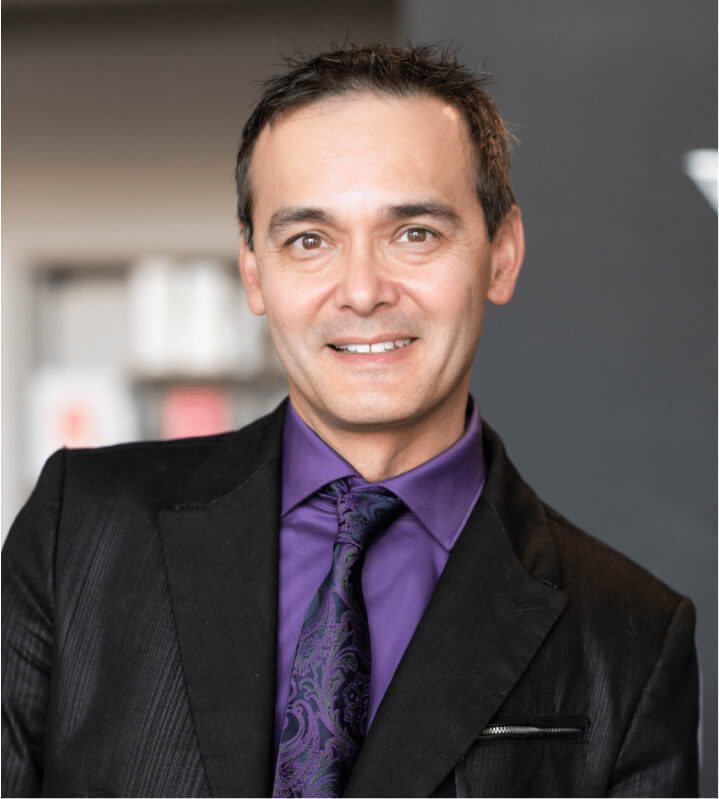
Dr. David L. Pinsinski is the esteemed founder of Artemis Vein & Aesthetic Center, an expert in the field of vein care, and a distinguished board-certified physician in Internal Medicine. With a dedicated career focused on promoting health and well-being, Dr. Pinsinski has become a trusted name in the vein care community serving Superior, Co area. His commitment to excellence and compassionate patient care is at the core of his practice. Dr. Pinsinski’s work at Artemis Vein & Aesthetic Center is a testament to his unwavering dedication to providing the highest standard of vein care, making positive impact on patients’ lives so that they can enjoy Colorado’s beautiful nature and outdoor lifestyle.

