


Dermaplaning is often misunderstood, with myths ranging from “it makes hair grow back thicker” to “it’s only for women.” At Artemis Vein & Aesthetic Center, we’re setting the record straight. Learn how dermaplaning works, what results you can actually expect, and how it fits into a comprehensive skincare routine. If you’ve been hesitant to try it, now’s the perfect time to explore this safe, non-invasive treatment and unlock smoother, more radiant skin.
You might think dermaplaning is just another beauty fad, but the truth is far more interesting. From exfoliating dead skin cells to leaving your face perfectly prepped for serums and makeup, dermaplaning has become a go-to treatment in aesthetic practices—but not without misconceptions. Let’s dive into what dermaplaning really does, bust common myths, and show you why it deserves a spot in your skincare routine.
Dermaplaning is a professional exfoliation treatment that uses a sterile surgical blade to gently remove dead skin cells and fine facial hair, commonly called “peach fuzz.” Unlike shaving at home, dermaplaning is performed by trained aestheticians or providers, ensuring a smooth finish without irritation.
Key benefits include:
We combine expertise with precision, making dermaplaning a safe and effective way to refresh your skin without downtime.
Myth 1: Dermaplaning Makes Hair Grow Back Thicker
Many people worry that removing peach fuzz will result in thicker or darker hair. In reality, dermaplaning only removes the surface layer of hair—it does not affect hair follicles beneath the skin. Your hair will grow back at the same thickness and color as before, and often feels softer after treatments.
Myth 2: It’s Only for Women
Dermaplaning is beneficial for anyone looking to improve skin texture, reduce dullness, or prep for cosmetic procedures. Men often use it to smooth facial hair lines, reduce ingrown hairs, or enhance the effectiveness of other treatments like chemical peels.
Myth 3: Dermaplaning Causes Breakouts
Exfoliating the skin removes dead cells that can clog pores, which actually helps reduce breakouts. When performed by a professional, dermaplaning is gentle, hygienic, and tailored to your skin type, minimizing the risk of irritation or blemishes.
Myth 4: It’s Painful
Dermaplaning is painless for most clients. Some may feel a light scraping sensation, but the process is quick, relaxing, and often described as soothing.
Myth 5: It’s Not Effective for Mature Skin
Dermaplaning works for all skin types and ages. By removing the outer layer of dead cells, it can help diminish the appearance of fine lines, rough patches, and dull skin, making it a valuable addition to anti-aging routines.
Dermaplaning isn’t a standalone treatment—it’s a foundation for glowing, healthy skin. Here’s how it can complement other aesthetic services:
Enhances Product Absorption
Without a layer of dead skin cells or peach fuzz, serums, moisturizers, and other topical treatments penetrate deeper, making them more effective.
Prepares Skin for Chemical Peels and Microneedling
When combined with chemical peels or microneedling, dermaplaning ensures even treatment distribution and better results.
Perfects Your Makeup Canvas
Makeup glides on smoothly after dermaplaning, reducing the appearance of rough patches or fine hair that can interfere with application.
Supports Ongoing Aesthetic Treatments
We often pair dermaplaning with:
A typical dermaplaning session lasts about 30–45 minutes, depending on your skin type and goals. Here’s a step-by-step breakdown:
Most clients notice immediate smoothness and a healthy glow, and there’s no downtime. Some may experience minor redness, which usually fades within hours.
Dermaplaning can be performed every 3–4 weeks, depending on individual hair growth and skin needs. Maintaining a consistent schedule ensures continuous exfoliation and keeps skin looking fresh.
Tips for prolonging results at home:
Regular treatments help maintain optimal results, especially when combined with other aesthetic services like chemical peels, VI Peel, or professional skincare products.
While dermaplaning is safe for most clients, some conditions may require extra caution or alternative treatments:
A thorough consultation with our team ensures your treatment plan is personalized, safe, and effective.
Dermaplaning can be a game-changer when integrated into your skincare routine. Experts recommend:
By understanding how dermaplaning fits into a broader regimen, you can achieve smoother, healthier skin while preventing common misconceptions from holding you back.
At Artemis Vein & Aesthetic Center, we specialize in tailored aesthetic treatments that go beyond surface beauty. Dermaplaning is more than just removing peach fuzz—it’s a gateway to enhanced skin health, radiant glow, and a flawless makeup canvas. Whether you’re new to dermaplaning or looking to integrate it with other aesthetic services like Botox, dermal fillers, or chemical peels, our skilled team ensures a safe, personalized experience. Schedule your consultation today and discover how professional dermaplaning can transform your skincare routine and boost your confidence.
Does dermaplaning hurt?
Most clients experience only a light scraping sensation, which is generally painless. It’s a relaxing treatment with no downtime.
How often should I get dermaplaning?
Every 3–4 weeks is ideal to maintain smoothness and keep skin glowing. Your provider can customize the schedule based on your skin type.
Will dermaplaning make my hair grow back thicker?
No, dermaplaning removes surface hair without affecting the hair follicle. Hair grows back at the same texture and thickness.
Can men benefit from dermaplaning?
Absolutely. Men can use dermaplaning to smooth facial hair lines, reduce ingrown hairs, and improve skin texture.
Is dermaplaning safe for all skin types?
It’s safe for most skin types, but those with active acne, severe rosacea, or open wounds should consult a professional first.
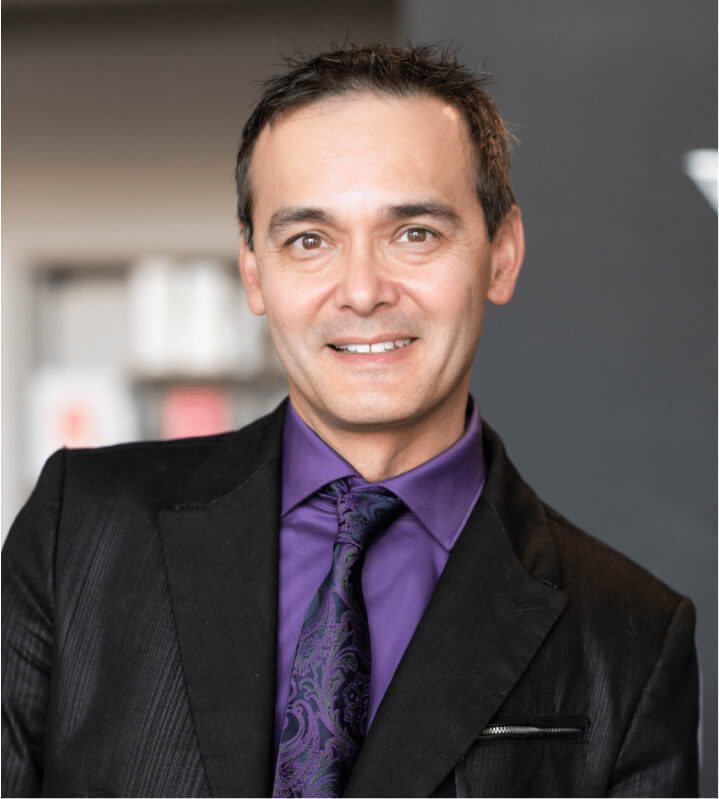
Dr. David L. Pinsinski is the esteemed founder of Artemis Vein & Aesthetic Center, an expert in the field of vein care, and a distinguished board-certified physician in Internal Medicine. With a dedicated career focused on promoting health and well-being, Dr. Pinsinski has become a trusted name in the vein care community serving Superior, Co area. His commitment to excellence and compassionate patient care is at the core of his practice. Dr. Pinsinski’s work at Artemis Vein & Aesthetic Center is a testament to his unwavering dedication to providing the highest standard of vein care, making positive impact on patients’ lives so that they can enjoy Colorado’s beautiful nature and outdoor lifestyle.

