


If you already know you have varicose veins or chronic venous insufficiency, there is one related risk worth understanding clearly: deep vein thrombosis, or DVT. A DVT forms when blood clots inside a deeper leg vein, and while it is not an inevitable outcome of vein disease, patients with venous insufficiency do carry a somewhat higher risk than the general population. At Artemis Vein & Aesthetic Center in Superior, our team includes DVT risk as part of the bigger picture we monitor for every vein patient, not as a separate, unrelated concern. October is DVT Awareness Month, and it is a good time to understand what your own vein health means for this particular risk.
Most patients with varicose veins never develop a DVT, and that is worth saying clearly up front. But understanding the connection between the two conditions helps you know what symptoms actually deserve a closer look.
A DVT forms in a deeper vein, unlike varicose veins, which affect veins closer to the surface of the skin. This distinction matters because a DVT carries a risk that ordinary varicose vein symptoms do not: the possibility that part of the clot breaks free and travels to the lungs, a condition called pulmonary embolism. This is why new, concerning leg symptoms are worth evaluating even if you are already familiar with living with vein disease, since the two conditions do not always feel the same and should not be assumed to be the same thing.
Blood that pools and moves slowly through diseased veins creates conditions more favorable to clotting, which is part of why venous insufficiency is associated with somewhat elevated DVT risk. Other common risk factors, including recent surgery, prolonged immobility, pregnancy, hormone therapy, obesity, and a personal or family history of blood clots, compound this risk further when combined with existing vein disease. Knowing where you stand across these factors, not just your vein symptoms alone, gives a more complete picture of your actual risk.
A DVT typically causes swelling, pain, or warmth in one leg that develops more quickly than the gradual heaviness many vein patients are used to, often over a day or two rather than building slowly. Sudden shortness of breath, chest pain that worsens with breathing, or a racing heartbeat are signs of a possible pulmonary embolism and require emergency care immediately. Learning to distinguish a new, one sided, rapidly developing symptom from your usual vein related discomfort is one of the most useful things a vein patient can know.
Regular vein evaluations, including ultrasound mapping, give our team a clear baseline of your venous health, which makes it easier to recognize when something has genuinely changed. Patients who are already engaged in vein care tend to catch new symptoms earlier, simply because they know what their own legs typically feel like and are more attuned to changes. This is one of the quieter benefits of staying on top of vein health even when your varicose veins themselves are not bothering you significantly.
Understanding your DVT risk is not about causing alarm, it is about knowing your own body well enough to act quickly if something changes. Artemis Vein & Aesthetic Center is here to help you understand your complete vein health picture, not just the visible symptoms. Schedule a free vein screening with our team to talk through your risk factors and get a clear picture of where you stand.
Does having varicose veins mean I am likely to get a blood clot? No, most people with varicose veins never develop a DVT, though venous insufficiency does raise your risk somewhat compared to the general population. Understanding this connection helps you take new symptoms seriously without assuming the worst every time your legs feel heavy.
How can I tell the difference between DVT and my usual vein symptoms? DVT symptoms tend to be one sided and develop more quickly, often over a day or two, compared to the gradual heaviness or swelling many vein patients experience. If something feels different or comes on faster than usual, it is worth having evaluated rather than assumed to be routine.
What symptoms mean I should seek emergency care? Sudden shortness of breath, chest pain that worsens with breathing, or a racing heartbeat can indicate a clot has affected your lungs and require immediate emergency attention. These symptoms are distinct from ordinary leg discomfort and should never wait for a scheduled appointment.
Does treating my varicose veins lower my DVT risk? Treating venous insufficiency can help by improving blood flow and reducing the pooling that contributes to clot risk, though it is one factor among several. Our team can talk through how your specific vein health fits into your overall risk profile.
How often should I have my veins evaluated if I have known venous insufficiency? This depends on your specific condition and risk factors, which our team can determine during a screening. Regular evaluation helps establish a baseline so any new or changing symptoms are easier to recognize early.
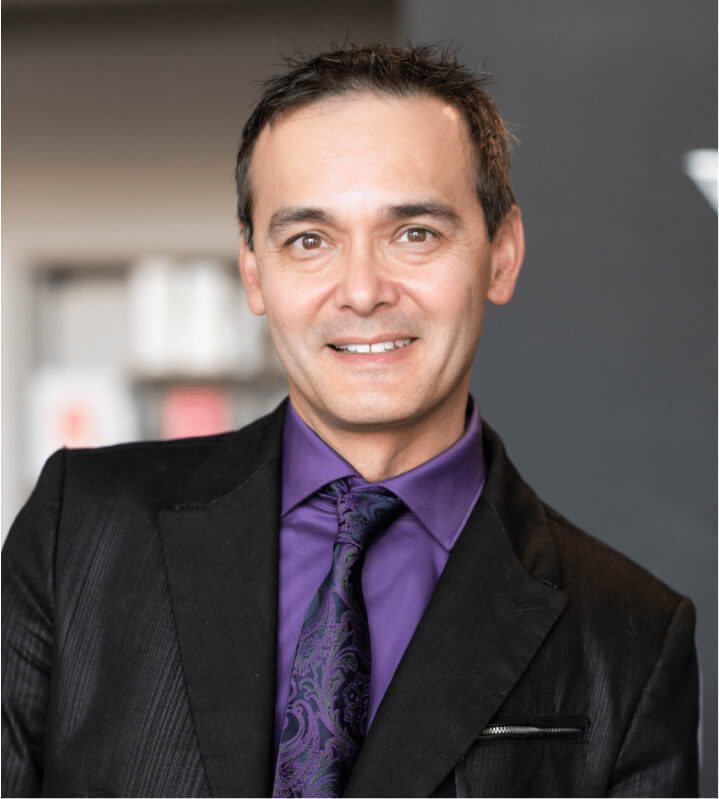
Dr. David L. Pinsinski is the esteemed founder of Artemis Vein & Aesthetic Center, an expert in the field of vein care, and a distinguished board-certified physician in Internal Medicine. With a dedicated career focused on promoting health and well-being, Dr. Pinsinski has become a trusted name in the vein care community serving Superior, Co area. His commitment to excellence and compassionate patient care is at the core of his practice. Dr. Pinsinski’s work at Artemis Vein & Aesthetic Center is a testament to his unwavering dedication to providing the highest standard of vein care, making positive impact on patients’ lives so that they can enjoy Colorado’s beautiful nature and outdoor lifestyle.

