


Whether you’ve just had varicose vein treatment, sclerotherapy, or another minimally invasive procedure, the recovery process can feel a little like learning to walk again—well, for your legs anyway. Understanding what to expect and how to care for yourself at home can help your veins heal comfortably, safely, and efficiently. At Artemis Vein & Aesthetic Center, our goal is to ensure your recovery is smooth so you can get back to the activities you love without unnecessary downtime.
Recovery after vein treatment happens in stages, and knowing what each stage involves can take the guesswork out of healing. From the first day after your procedure to six months later, your body gradually adjusts as treated veins close and circulation improves. With proper guidance and a few at-home habits, you’ll be back on your feet—literally—in no time.
Day of Your Procedure
Immediately following treatment, it’s completely normal to notice mild bruising, swelling, tightness, or discomfort in the treated areas. These symptoms are part of the healing process and usually improve within 48 hours. You can return to most daily activities right away, though it’s wise to keep movements light for the first 4–5 days. Avoid submerging treated areas in baths, pools, or hot tubs for at least a week to reduce the risk of infection.
1 Week After Treatment
Bruising and tightness may still be present during the first week, and mild discomfort is common. By this time, you can resume light exercise such as walking or gentle yoga, but avoid heavy lifting, running, or strenuous activities until your provider clears you. These restrictions protect your healing veins and prevent strain on treated areas.
1 Month After Treatment
By one month, most of the initial symptoms have resolved. Slight swelling or tightness can linger but should continue improving. A follow-up appointment is recommended to confirm that the treated veins have closed properly and to check for any new vein issues. This ensures your treatment is delivering the desired results.
6 Months After Treatment
At the six-month mark, bruising, swelling, and discomfort are typically resolved. Patients often notice a significant improvement in both the appearance and comfort of their legs. Any residual symptoms are usually minimal. Long-term follow-ups are important to monitor vein health and maintain the results you’ve worked toward.
Compression
Wearing your prescribed compression stockings is one of the most important parts of recovery. Consistent compression—especially during the first 72 hours—supports healthy circulation, reduces bruising, and lowers the risk of clot formation. Think of your stockings as a cozy hug for your legs that helps them bounce back faster.
Activity
Short, frequent walks are golden for post-treatment recovery. Avoid long periods of sitting or standing still, as these positions can slow blood flow and prolong discomfort. Gentle movement encourages circulation, helping your legs heal efficiently and preventing swelling.
Incision Care
Keep any bandages dry and avoid hot showers, pools, or hot tubs until your provider gives the go-ahead. Protecting the treated areas from excess moisture reduces infection risk and helps skin recover smoothly.
A balanced diet can work wonders for recovery, reducing inflammation and supporting tissue repair. Key nutrients to include:
Staying hydrated and eating a nutrient-rich diet complements your at-home care and ensures your veins have the building blocks they need to heal properly.
Although complications are uncommon, it’s important to watch for signs that may require medical attention:
If any of these occur, contact Artemis Vein & Aesthetic Center promptly to ensure proper evaluation and care. Most patients heal without issue, but early attention to concerns keeps recovery safe and stress-free.
You can also take steps to make your recovery more comfortable and even a little enjoyable. Elevating your legs while resting reduces swelling and promotes blood flow. Cold compresses can help ease bruising or tightness, while wearing loose, breathable clothing prevents irritation around treated areas. Think of these small rituals as pampering for your legs—they’re working hard for you, after all.
For patients who like a bit of tech support, gentle massage or pneumatic compression devices may be recommended by your provider. These tools encourage circulation, reduce discomfort, and can make the first week post-treatment feel much more manageable. Remember, a proactive approach to recovery isn’t just about healing faster—it’s about feeling better every step of the way.
Even after recovery is complete, maintaining vein health helps prolong the results of your treatment. Regular exercise, staying hydrated, and maintaining a healthy weight all support vascular health. Avoid prolonged periods of sitting or standing, and consider wearing compression stockings during long flights or extended travel.
Regular check-ins with Artemis Vein & Aesthetic Center help monitor vein health and catch any issues early. Healthy habits paired with professional oversight are the ultimate combination for legs that feel—and look—amazing.
Follow-up appointments are not just a formality—they’re a crucial part of your vein treatment journey. During these visits, your provider can:
Attending follow-ups ensures your recovery stays on track and helps maintain the long-term results you worked for.
Recovery is just as important as the treatment itself. At Artemis Vein & Aesthetic Center, we guide every patient through a safe, comfortable healing process and provide expert advice for each stage. If you’ve recently had vein treatment or are planning one soon, schedule a follow-up or consultation at our Superior office. Our team is here to answer questions, monitor your recovery, and make sure your legs feel as good as they look—so you can get back to living your life, confidently and comfortably.
How soon can I walk after vein treatment?
Most patients can resume light walking immediately, but avoid prolonged sitting or standing to encourage circulation. Short walks throughout the day are highly recommended.
When can I return to exercise?
Light exercise is typically safe after 7–10 days, while more strenuous activities like running or heavy lifting should wait until cleared by your provider.
Is bruising normal?
Yes, mild bruising and swelling are expected and usually resolve within a few days to a week.
Do I need to wear compression stockings long-term?
Compression stockings are most important during the first 72 hours, but your provider may recommend additional use for certain activities or ongoing support.
What should I eat to support healing?
Vitamin C-rich fruits and vegetables, as well as omega-3 fatty acids from fish, nuts, and seeds, support collagen production and reduce inflammation for optimal recovery.
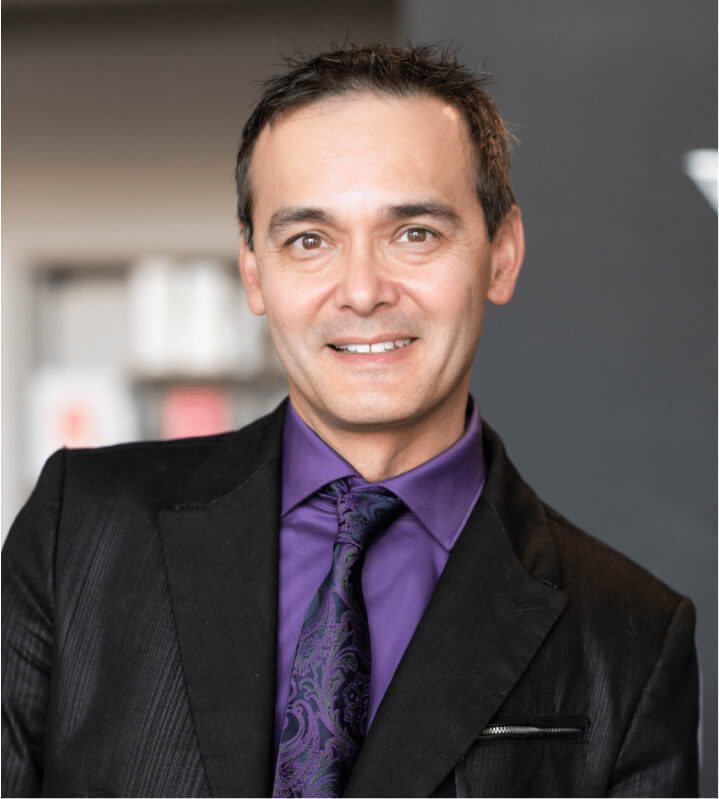
Dr. David L. Pinsinski is the esteemed founder of Artemis Vein & Aesthetic Center, an expert in the field of vein care, and a distinguished board-certified physician in Internal Medicine. With a dedicated career focused on promoting health and well-being, Dr. Pinsinski has become a trusted name in the vein care community serving Superior, Co area. His commitment to excellence and compassionate patient care is at the core of his practice. Dr. Pinsinski’s work at Artemis Vein & Aesthetic Center is a testament to his unwavering dedication to providing the highest standard of vein care, making positive impact on patients’ lives so that they can enjoy Colorado’s beautiful nature and outdoor lifestyle.

