


Many people shrug off heavy, achy legs as just “getting older,” but it could be chronic venous insufficiency treatment that makes a real difference in how you feel each day. Chronic venous insufficiency (CVI) happens when blood doesn’t flow properly back to your heart, leading to pain, swelling, and visible veins in the legs. At Artemis Vein & Aesthetic Center, we help people identify symptoms early and tailor effective treatment plans that improve comfort and quality of life. If your legs feel swollen, tired, or just not themselves, learn your options and schedule a consultation to start feeling better.
There’s nothing quite like that tired, heavy sensation after a long day on your feet — especially when it seems to come from deep inside your legs. If that sounds familiar, you may be dealing with chronic venous insufficiency treatment issues. This condition affects how blood flows through the veins in your legs and can gradually make daily life more uncomfortable if not addressed properly.
Understanding what’s going on in your veins is the first step toward real relief. What exactly causes this discomfort, and when does it warrant medical attention? In healthy veins, tiny one‑way valves keep blood moving upward toward the heart, even against gravity. But when those valves weaken or fail, blood can pool in the lower legs, leading to that heavy, achy feeling many people dismiss as normal fatigue. Over time, symptoms can include visible varicose veins, swelling, skin changes, and in severe cases, ulcers, pain, or cramps.
Chronic venous insufficiency (CVI) is a common vascular condition in which the leg veins struggle to return blood to the heart. Rather than flowing upward efficiently, blood seeps backward and pools in the legs, increasing pressure inside the veins. This inefficiency leads to a range of symptoms that often worsen throughout the day, especially after prolonged sitting or standing. Although not usually life‑threatening, CVI can significantly impact daily comfort and mobility if left unmanaged.
Symptoms can vary from mild to more pronounced and include:
These signs are more than cosmetic; they reflect underlying vein dysfunction and should prompt evaluation, especially if they interfere with everyday activities.
Chronic venous insufficiency doesn’t strike randomly. Several risk factors increase your likelihood of developing it, and knowing them helps you take proactive steps toward prevention and treatment.
Common risk factors include:
Some degree of venous valve weakening can also occur simply with age or genetic predisposition, meaning even active people can develop CVI over time.
If any of these risk factors apply to you and your legs feel heavy or cramped after normal activities, it’s wise to explore treatment options sooner rather than later.
When valves in your leg veins are compromised, blood doesn’t flow efficiently back to the heart, and pressure builds in the lower extremities. This venous hypertension explains many of the most common symptoms people experience. Swelling, aching, and a dull sensation of heaviness often worsen as the day goes on or when sitting for long periods. Over time, the skin may take on a brownish hue, and elasticity decreases because of chronic fluid buildup and inflammation. Left untreated, these changes can progress to painful ulcers that are challenging to heal.
Rather than ignoring these signs, it’s helpful to recognize them early so that effective strategies can slow progression and restore comfort.
Not all strategies require medical procedures. Many lifestyle habits support healthy circulation and ease CVI symptoms:
These steps are foundational in managing symptoms and can be particularly effective when combined with professional medical care.
At Artemis Vein & Aesthetic Center in Superior, we take a personalized approach to chronic venous insufficiency treatment because no two cases are the same. Your plan depends on symptom severity, general health, and daily lifestyle.
These approaches are often effective as first steps or in combination with procedures.
These techniques are typically outpatient, require minimal downtime, and deliver lasting improvements by addressing the root vein problems.
When CVI is more advanced or vein anatomy makes other treatments less effective, surgery may be recommended to remove or close diseased veins. Our team discusses all pros and cons so you can make confident decisions.
By combining modern techniques with compassionate care, we help patients feel lighter on their feet again.
Your journey toward relief begins with understanding your symptoms and goals. At Artemis Vein & Aesthetic Center, board‑certified physician Dr. David Pinsinski meets with you to interpret your medical history, assess your vein health, and design a customized treatment plan. We balance conservative methods with advanced procedures when needed, ensuring you get just the right level of care. It’s not just about managing symptoms — it’s about helping you reclaim comfort and mobility.
Our Superior office prioritizes patient education and support, so you feel confident every step of the way. If heavy, achy legs are holding you back, book a consultation to explore your options.
What’s the difference between varicose veins and chronic venous insufficiency?
Varicose veins are enlarged, twisted veins that can be a symptom of CVI but may also be present without it. CVI refers to poor blood flow in the legs that can cause varicose veins along with other symptoms.
Can lifestyle changes alone fix CVI?
Lifestyle improvements like exercise and leg elevation can ease symptoms and slow progression but may not fully resolve underlying valve dysfunction. In many cases, medical treatment provides the most noticeable relief.
Are compression stockings necessary?
Compression stockings play a key role in supporting venous return and reducing swelling for many people, especially during daily activities or long periods of sitting or standing.
Will CVI get worse if untreated?
Because CVI is progressive, symptoms like swelling, skin changes, and ulcers can become more severe without treatment. Early management helps prevent complications.
Is CVI painful?
Some people experience only mild discomfort or heaviness, while others feel aching, cramping, or significant swelling that affects mobility. Each person’s experience is different, but treatment can reduce pain and improve comfort.
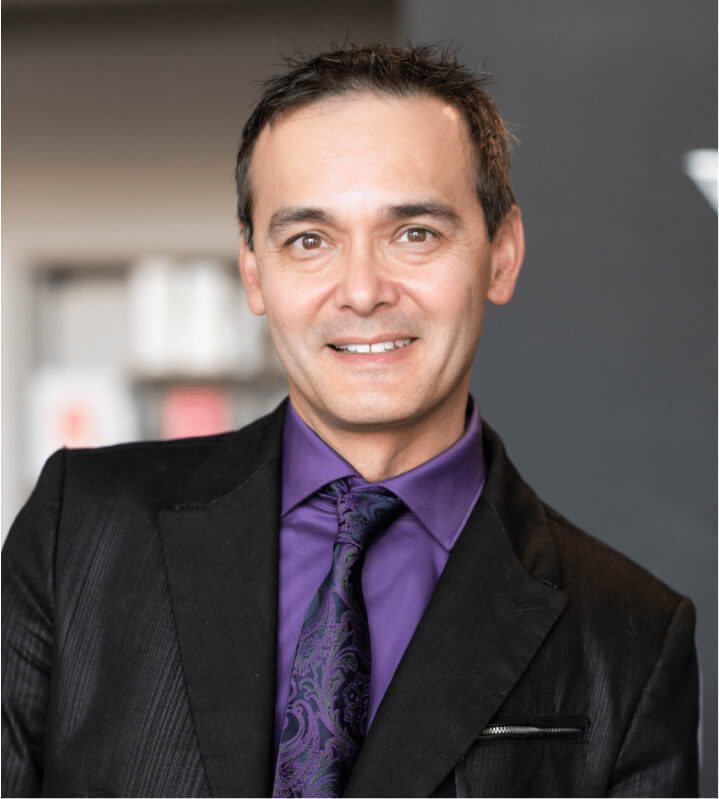
Dr. David L. Pinsinski is the esteemed founder of Artemis Vein & Aesthetic Center, an expert in the field of vein care, and a distinguished board-certified physician in Internal Medicine. With a dedicated career focused on promoting health and well-being, Dr. Pinsinski has become a trusted name in the vein care community serving Superior, Co area. His commitment to excellence and compassionate patient care is at the core of his practice. Dr. Pinsinski’s work at Artemis Vein & Aesthetic Center is a testament to his unwavering dedication to providing the highest standard of vein care, making positive impact on patients’ lives so that they can enjoy Colorado’s beautiful nature and outdoor lifestyle.

