


If your legs feel heavier, achier, and more swollen in August than they did in April, you are not imagining it. Summer heat has a very real and measurable effect on varicose veins, and for many people, it is the season that finally pushes a manageable inconvenience into something they can no longer ignore. At Artemis Vein & Aesthetic Center in Superior, the team sees this pattern every year: patients who have been brushing off their leg symptoms for months finally come in when Colorado’s summer makes everything noticeably worse. The good news is that the timing could not be better. Schedule a free vein screening and find out exactly what is going on before fall.
Varicose veins are not strictly a winter problem or a summer problem. They are a year-round condition. But summer has a way of making the situation harder to overlook, and there is a clear biological reason for that.
Your body uses blood vessels to regulate temperature. When you get hot, the blood vessels near the skin surface dilate, allowing more warm blood to flow close to the skin where it can release heat into the surrounding air. This is a completely normal process. It is how your body keeps from overheating.
The problem for people with varicose veins is that heat causes dilation in veins that are already struggling. Varicose veins develop when the one-way valves inside the leg veins weaken and stop closing properly. Instead of pushing blood efficiently back up toward the heart, those valves allow blood to fall backward and pool in the lower legs. When summer heat causes additional dilation on top of that existing weakness, the pooling gets worse, the pressure increases, and symptoms that were tolerable in cooler weather become genuinely uncomfortable.
For many patients, this shows up as legs that feel significantly heavier by midday, swelling that does not fully resolve overnight, a throbbing or restless sensation in the evenings, or visible veins that seem larger and more prominent than they were a few months ago. None of these changes happen because the condition has suddenly become more serious. They happen because heat is amplifying what was already there.
Summer adds another layer to the problem that people rarely connect to their veins: dehydration. When you do not drink enough water, your blood volume decreases and circulation becomes less efficient. For the venous system, which is already working against gravity to move blood back up from the legs, reduced blood volume means reduced effectiveness. The combination of heat-induced dilation and dehydration-related sluggish circulation creates conditions where varicose vein symptoms can reach their seasonal peak.
This is not a reason to panic. It is a reason to understand what is happening so you can make informed decisions about your next step.
There are genuine ways to reduce summer discomfort from varicose veins, and it helps to be realistic about what they actually accomplish. Elevating your legs above heart level when resting allows gravity to assist blood flow back toward the heart, which can reduce swelling and relieve heaviness temporarily. Staying cool, staying hydrated, walking regularly to activate the calf muscle pump, and wearing properly fitted medical-grade compression stockings during active hours are all strategies that reduce the burden on struggling veins.
What these measures do not do is fix the underlying valve dysfunction. The valves that have weakened do not repair themselves, and the condition tends to progress over time rather than resolve on its own. Conservative management is valuable and appropriate as a first step, but for patients with documented venous insufficiency, it manages symptoms rather than addressing the cause.
There is a common assumption that people should wait until fall or winter to address varicose veins because summer makes recovery less comfortable. At Artemis Vein & Aesthetic Center, the team wants patients to know that the opposite is often true. When symptoms are at their most visible and most disruptive, it is easier to get an accurate picture of what the veins are actually doing. A duplex ultrasound performed during the summer months often shows the clearest evidence of reflux and valve dysfunction.
More importantly, minimally invasive vein treatments like laser ablation, microfoam chemical ablation, and sclerotherapy are in-office procedures with minimal downtime. Most patients return to normal activity the same day. Waiting until fall is not medically necessary, and for patients experiencing significant discomfort, delaying treatment means additional months of symptoms that could have been addressed.
A free vein screening at Artemis Vein & Aesthetic Center is the most efficient way to understand whether what you are experiencing is typical discomfort from venous insufficiency or something that deserves treatment. Dr. David Pinsinski and the team use advanced ultrasound technology to evaluate what is happening beneath the surface, not just what is visible from the outside. If treatment is appropriate, the next steps are explained clearly, without pressure and without guesswork.
Summer does not cause varicose veins, but it does make them harder to ignore, and sometimes that is exactly the push a person needs to finally get evaluated. If your legs have been heavy, achy, or swollen this season in ways that feel out of proportion to your day, there is likely a vascular reason worth understanding. Schedule your free vein screening at Artemis Vein & Aesthetic Center in Superior today and go into fall with actual answers.
Why do varicose veins feel worse in summer?
Heat causes blood vessels to dilate, which increases pooling in veins with weakened valves and amplifies symptoms like heaviness, swelling, and aching that may have been manageable in cooler weather. Dehydration, which is more common in summer, also reduces blood volume and makes circulation less efficient, compounding the effect.
Can heat permanently damage varicose veins?
Prolonged or repeated exposure to high temperatures can cause additional stretching of already-weakened vein walls over time, which may worsen valve dysfunction and accelerate symptom progression. This is one of the clinical reasons that evaluating and addressing varicose veins while symptoms are active tends to lead to better long-term outcomes than waiting indefinitely.
Is it safe to get varicose vein treatment during summer?
Yes, minimally invasive treatments like laser ablation, microfoam sclerotherapy, and related procedures are performed in office year-round and do not require extended recovery periods that would conflict with warm-weather activities. The main aftercare consideration is wearing compression stockings for the recommended period following treatment, which is manageable in any season.
Do compression stockings actually help varicose veins?
Medical-grade compression stockings improve the efficiency of circulation by providing external support to the leg veins, which reduces swelling, heaviness, and discomfort meaningfully for many patients. They do not repair damaged valves or resolve the underlying venous insufficiency, but they are a valuable management tool while evaluation and treatment decisions are being made.
Can swimming help with varicose vein symptoms?
Swimming is one of the more beneficial forms of exercise for varicose veins because the horizontal position reduces the gravitational burden on leg veins, and the water pressure provides gentle external compression similar to compression stockings. Regular swimming can activate the calf muscle pump and improve circulation, making it a good option for summer symptom management alongside professional evaluation.
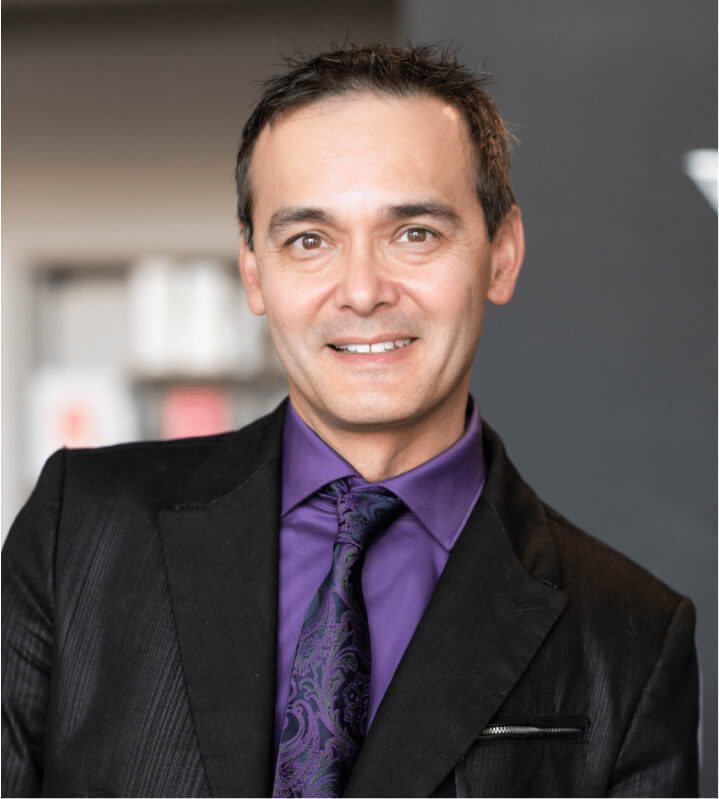
Dr. David L. Pinsinski is the esteemed founder of Artemis Vein & Aesthetic Center, an expert in the field of vein care, and a distinguished board-certified physician in Internal Medicine. With a dedicated career focused on promoting health and well-being, Dr. Pinsinski has become a trusted name in the vein care community serving Superior, Co area. His commitment to excellence and compassionate patient care is at the core of his practice. Dr. Pinsinski’s work at Artemis Vein & Aesthetic Center is a testament to his unwavering dedication to providing the highest standard of vein care, making positive impact on patients’ lives so that they can enjoy Colorado’s beautiful nature and outdoor lifestyle.

