


Spider veins and smaller varicose veins can be persistent, visible, and frustrating, and yet many patients are surprised to learn that an effective spider veins treatment for them has been used successfully for decades. Sclerotherapy involves injecting a carefully chosen solution directly into the affected veins, causing them to close and be gradually absorbed by the body. At Artemis Vein & Aesthetic Center in Superior, sclerotherapy is one of the foundational tools in our vein treatment approach, used with precision and guided by a thorough understanding of each patient’s vascular anatomy. If visible veins on your legs have been something you have been managing without resolution, a free vein screening is the clearest place to start.
Of all the treatments available for visible leg veins, sclerotherapy is one of the most established and well-studied. It has been used in vascular medicine for generations, refined continuously as materials and techniques have improved, and it remains the treatment of choice for the specific types of veins it is designed to address.
The treatment works by introducing a sclerosing solution into the interior of the target vein through a very fine needle. The solution irritates the inner wall of the vein, causing the walls to swell, stick together, and seal shut. Over the following weeks and months, the body gradually breaks down the closed vein and absorbs it through the lymphatic system. Blood that was previously flowing through the treated vein is naturally redirected into nearby healthy vessels, restoring more efficient circulation in the area.
The result is a gradual fading of the visible vein. Patients do not see an immediate disappearance after the injection; rather, the treated veins begin to fade over a period of weeks as the body completes the absorption process. Spider veins typically fade noticeably within three to six weeks. Smaller varicose veins may take somewhat longer, often three to four months, to fully respond. This gradual timeline is not a sign that something went wrong. It is simply how the process works, and understanding it helps patients feel appropriately confident that the treatment is progressing as it should.
Sclerotherapy is specifically designed for spider veins, the smallest visible vessels that create the web-like or branching patterns most commonly seen on the thighs and lower legs, as well as reticular veins, the slightly larger blue-green feeder vessels that often supply them. It is also effective for small to medium varicose veins that do not involve significant underlying venous reflux.
For larger varicose veins associated with venous insufficiency and backward blood flow, sclerotherapy alone is generally not the most appropriate starting point. In those cases, treatment of the underlying reflux through radiofrequency ablation or another primary approach typically comes first, and sclerotherapy may be used afterward to address any remaining surface vessels. This is one reason that evaluation with a vein specialist matters before proceeding with any cosmetic vein treatment. At Artemis Vein & Aesthetic Center, a thorough vein assessment ensures that each patient receives the approach that is actually suited to what their veins need, rather than a generic solution.
The injections used in sclerotherapy are delivered through very fine needles, and most patients describe the sensation as a mild sting or pinch at each injection site. Sessions typically involve multiple injections depending on the number and size of veins being treated and generally take between 30 and 45 minutes to complete. Patients are able to walk immediately after and return to normal activity the same day, though strenuous exercise and prolonged heat exposure are typically avoided for a short period following treatment.
Compression stockings are generally worn after sclerotherapy for a period directed by the treating provider. Compression supports healing by helping collapsed vein walls stay closed and reducing the risk of blood pooling in the treated area. Protecting treated skin from direct sun exposure during the healing period is also important, as UV exposure can increase the likelihood of temporary skin darkening over the treated veins.
Some patients notice that treated veins appear slightly darker or more visible in the first week or two after injection before they begin to fade. This is a normal part of the process, reflecting the inflammatory response within the closed vein rather than a treatment failure. Mild bruising around injection sites is also common and resolves on its own. Some patients develop small areas of darkened skin called hemosiderin staining over treated veins, which typically fades over several months. Discussing realistic expectations before treatment helps patients feel prepared for the full picture of what the healing process involves.
Multiple sessions are frequently needed to achieve the degree of clearance a patient is hoping for, particularly when there are numerous veins involved or when the initial set of veins has accompanying feeder vessels that require subsequent attention. Most patients benefit from two to four sessions, though this varies depending on the severity and extent of the veins being treated.
Sclerotherapy is a precise, evidence-based treatment for the veins that show up on the surface and stay there regardless of what you do. At Artemis Vein & Aesthetic Center in Superior, every sclerotherapy treatment begins with proper evaluation to ensure it is the right approach for your specific vein picture. Schedule your free vein screening today and let us show you what clearer legs actually take.
How many sclerotherapy sessions will I need?
Most patients require two to four sessions to achieve their desired results, though the number depends on the extent and type of veins being treated, as well as how each individual’s veins respond between sessions. Sessions are typically spaced four to six weeks apart to allow the treated veins time to fully respond before the next round of treatment.
Does sclerotherapy hurt?
The injections are delivered through very fine needles and most patients describe the sensation as a mild sting or pinch at each site, which passes quickly. The procedure is well-tolerated by the vast majority of patients, and the discomfort is brief enough that most find it manageable without any numbing preparation.
How long does it take to see results from sclerotherapy?
Spider veins typically begin to fade within three to six weeks of treatment, while smaller varicose veins may take three to four months to fully respond as the body gradually absorbs the closed vein. The gradual nature of the results is a normal part of the process and not an indication that the treatment is not working.
Is sclerotherapy appropriate for all types of leg veins?
Sclerotherapy works best for spider veins and small to medium varicose veins, and it is most effective when there is no significant underlying venous reflux driving the visible vessels. Larger varicose veins with documented reflux are generally treated through primary vein closure procedures first, with sclerotherapy used afterward if surface veins remain.
Will the treated veins come back after sclerotherapy?
Veins that have been fully closed through sclerotherapy do not return, as the treated vessels are absorbed by the body and no longer carry blood. New spider veins or varicose veins can develop over time due to genetic predisposition, hormonal influences, or lifestyle factors, which is why some patients choose periodic maintenance treatments to address new vessels as they appear.
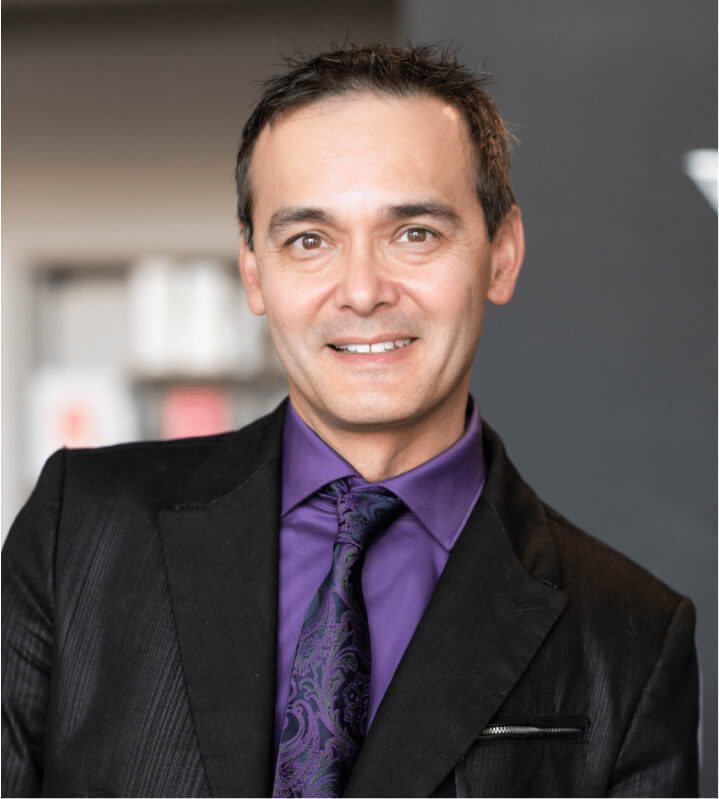
Dr. David L. Pinsinski is the esteemed founder of Artemis Vein & Aesthetic Center, an expert in the field of vein care, and a distinguished board-certified physician in Internal Medicine. With a dedicated career focused on promoting health and well-being, Dr. Pinsinski has become a trusted name in the vein care community serving Superior, Co area. His commitment to excellence and compassionate patient care is at the core of his practice. Dr. Pinsinski’s work at Artemis Vein & Aesthetic Center is a testament to his unwavering dedication to providing the highest standard of vein care, making positive impact on patients’ lives so that they can enjoy Colorado’s beautiful nature and outdoor lifestyle.

