


| If your legs are constantly swollen, achy, or just plain tired, venous disease could be the hidden culprit—and ignoring it won’t make it go away. The good news? There are easy, effective treatments that can get you back to feeling light on your feet. At Artemis in Westminster, CO, we specialize in diagnosing and treating vein issues before they become major problems. Ready to say goodbye to leg discomfort? Book your consultation today and let your legs live their best life! |
Let’s face it: no one wakes up excited about the idea of veins. Arteries get all the glory—they pump that fresh, oxygen-rich blood straight from the heart. Veins? They’re more like the unsung heroes of your circulatory system. But when veins stop working the way they should? Oh, you definitely start noticing them.
Swollen ankles, throbbing calves, restless legs, feet that feel like they ran a marathon while you were just watching TV—yep, these could all be signs of venous disease. It’s the kind of thing that sneaks up on you like an uninvited party guest and then overstays its welcome.
Let’s break it all down, plain and simple—and with a bit of flair—so you know what’s going on, what to look out for, and what you can do to get your legs feeling light, lively, and pain-free again.
Venous disease, or chronic venous insufficiency, is what happens when the valves in your leg veins stop doing their job. Normally, these little valves act like one-way doors, helping blood travel up your legs and back to your heart. But if those doors get lazy, blood starts to pool in your legs. Hello, swelling. Hi there, pain. Oh, and don’t forget the pressure and fatigue.
It’s like traffic congestion in your veins—and your poor legs are stuck in rush hour.
Venous disease is a master of disguise. It doesn’t always scream “I’m a vascular issue!” Instead, it shows up with vague, sneaky symptoms that many people chalk up to age, poor shoes, or “just being on my feet all day.”
Sound familiar? Here are some classic clues:
Basically, your legs are throwing a fit, and your veins are the divas behind the drama.
You might think, “Okay, but why me?”
Well, venous disease doesn’t discriminate—but it does have favorites. You may be at higher risk if:
Vein health depends a lot on movement. When you sit or stand still too long, gravity takes over and makes blood pool in your lower limbs. The result? Swelling, aching, and veins that feel like they’re rebelling.
Here’s the thing—venous disease is progressive. It doesn’t just chill at one stage forever. It starts with mild swelling or spider veins, but left untreated, it can lead to:
Early treatment = less drama. Waiting = bigger problems (and sometimes, longer, more intricate procedures).
Good news: you don’t have to live with swollen, aching legs forever. We have some seriously effective—and surprisingly quick—treatment options at Artemis in Westminster, CO. Here’s what we might recommend, depending on your case:
Think of compression stockings as a gentle hug for your legs. They help squeeze the blood upward, improving circulation and reducing swelling.
Elevate those legs, get moving, stay hydrated, and limit long periods of sitting or standing. We’ll coach you through it.
This one’s for the squiggly little troublemakers (aka varicose and spider veins). We inject a solution that collapses the bad veins, and your body naturally reroutes the blood to healthier ones.
Picture this: laser energy zaps into your veins, giving them a firm “nope!” and sealing them off for good. Your blood does a little rerouting to healthier veins, leaving you with legs that feel smooth, rejuvenated, and totally stitch-free.
No matter the option, all treatments are quick, outpatient, and relatively painless. You’ll walk in and walk out—literally.
You know what they say: an ounce of prevention is worth a pound of varicose veins. (Okay, maybe that’s not the exact quote—but it should be.)
Treating venous disease early doesn’t just make your legs feel better—it prevents the condition from escalating into something that affects your quality of life. Think less pain, fewer complications, and the ability to wear shorts again without thinking twice.
If you’ve been silently suffering from leg fatigue, swelling, or those pesky veins that seem to be throwing a party under your skin, it’s time to take action.
At Artemis in Westminster, CO, we specialize in helping people just like you reclaim their comfort and confidence. Let’s figure out what’s going on, treat it early, and get you back on your feet (literally).
Book your consultation today—and tell those tired legs their nap time is over.
What’s the difference between varicose veins and spider veins?
Spider veins are small, red, or blue vessels near the surface of the skin. Varicose veins are larger, swollen, and often bulge or twist under the skin.
Is venous disease dangerous?
If left untreated, it can lead to serious complications like ulcers, infections, and even blood clots. Early treatment is key.
Can men get venous disease too?
Absolutely. It’s not just a “women’s issue.” Men are often less likely to seek treatment, but just as likely to benefit from it.
How soon will I feel relief?
Many patients notice improvement in swelling and discomfort within days of treatment. Full results can take a few weeks, depending on the method used.
Can venous disease be prevented?
While you can’t always prevent it entirely, regular exercise, maintaining a healthy weight, wearing compression stockings, and avoiding prolonged sitting or standing can significantly lower your risk.
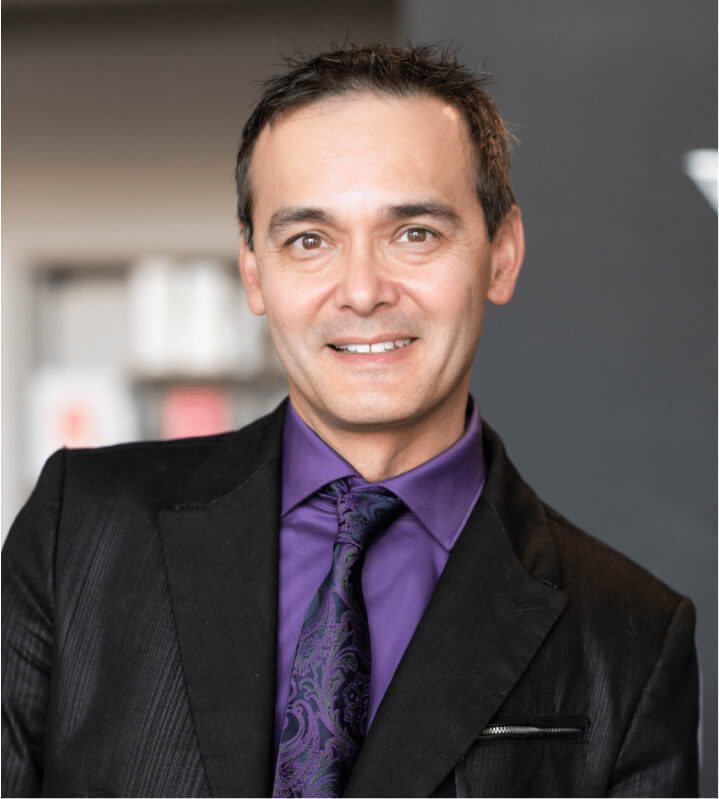
Dr. David L. Pinsinski is the esteemed founder of Artemis Vein & Aesthetic Center, an expert in the field of vein care, and a distinguished board-certified physician in Internal Medicine. With a dedicated career focused on promoting health and well-being, Dr. Pinsinski has become a trusted name in the vein care community serving Superior, Co area. His commitment to excellence and compassionate patient care is at the core of his practice. Dr. Pinsinski’s work at Artemis Vein & Aesthetic Center is a testament to his unwavering dedication to providing the highest standard of vein care, making positive impact on patients’ lives so that they can enjoy Colorado’s beautiful nature and outdoor lifestyle.

