


Bulging, twisted veins that seem to appear out of nowhere? Yeah, we’re talking about those veins. If your legs have started showing off blue or purple lines that look a little too bold for comfort, you’re not alone. Varicose vein treatment in Superior is one of the most sought-after solutions for people dealing with discomfort, swelling, or just feeling less confident in their skin. At Artemis Vein & Aesthetic Center, we help patients understand what’s happening beneath the surface and how to fix it. If your legs are trying to tell you something, it might be time to listen and explore your options.
Let’s break it down: varicose veins aren’t just a cosmetic issue. They’re a sign that blood flow in your veins isn’t working as efficiently as it should. Instead of moving smoothly back toward the heart, blood pools in the veins, causing them to stretch, twist, and bulge. The result? Veins that are hard to ignore and sometimes even harder to live with.
Varicose veins are enlarged, swollen veins that usually appear in the legs, feet, or ankles. They develop when the tiny valves inside your veins stop working properly. These valves are supposed to keep blood flowing in one direction, but when they weaken or fail, blood starts to move backward and collect in the vein.
Over time, that extra pressure causes the vein to expand and become visible beneath the skin. This is why varicose veins often appear raised, twisted, and darker in color.
While some people only notice the appearance, others experience symptoms like:
In more advanced cases, varicose veins can lead to complications like bleeding or ulcers, which require prompt medical attention.
About 25% of adults deal with varicose veins at some point, and while they can feel random, there are clear risk factors that increase your chances.
Common contributors include:
Hormonal changes also play a role, which is why women tend to develop varicose veins more often than men. But no matter the cause, the underlying issue is the same: inefficient blood flow that needs support or correction.
It’s easy to brush off varicose veins as a purely cosmetic concern, but your body may be telling a deeper story. That heavy, achy feeling at the end of the day? The swelling that makes your shoes feel tighter? Those are signs your veins are under pressure.
Ignoring these symptoms can allow the condition to progress. Over time, you may notice:
The good news? Early intervention makes a big difference. Addressing vein issues sooner rather than later can prevent complications and improve both comfort and appearance.
If you’re picturing invasive surgery and long recovery times, take a deep breath—modern vein treatments are far more advanced (and far less intimidating). At Artemis Vein & Aesthetic Center, we offer several minimally invasive options tailored to your specific needs.
Laser ablation is often the first step in treating varicose veins. This procedure uses targeted laser energy to close the affected vein, stopping the backward flow of blood. Once the vein is closed, blood is naturally redirected to healthier veins.
After that, a phlebectomy may be performed to remove any remaining visible varicose veins. This is done through tiny incisions and leaves minimal scarring. Together, these treatments create smoother-looking legs and improved circulation.
These treatments take a slightly different approach but aim for the same result—closing off problematic veins. A specialized foam medication is injected into the vein, causing it to collapse and eventually fade.
The process is guided by ultrasound for precision and does not require sedation or anesthesia, making it a convenient option for many patients. It’s effective, efficient, and gets you back to your day quickly.
Each treatment has its own benefits, and your provider will help determine which option—or combination—is best for your goals.
One of the biggest surprises for patients? How manageable the process is. Most varicose vein treatments are performed in-office and require little to no downtime. You can typically return to normal activities the same day, with a few simple guidelines to support healing.
After treatment, you may experience:
Compression stockings and light movement are often recommended to support circulation and speed up recovery. Results improve over weeks and months as your body adjusts and the treated veins fade.
Let’s talk about the part people don’t always mention—confidence. When varicose veins become noticeable, they can affect how you feel in shorts, dresses, or even just walking around.
Treating varicose veins isn’t just about circulation—it’s about feeling comfortable in your own skin again. Patients often report not only less pain but also a renewed sense of confidence once their legs look and feel better.
And honestly? That’s a pretty great bonus.
At Artemis Vein & Aesthetic Center, we understand that varicose veins are more than just a visual concern—they’re a quality-of-life issue. Our experienced team, led by Dr. David Pinsinski, brings over 20 years of expertise in diagnosing and treating vein conditions with precision and care. Whether you’re dealing with discomfort, visible veins, or both, we’re here to guide you through your options and create a personalized treatment plan. Schedule your consultation in Superior today and take the first step toward healthier, smoother, more confident legs.
Are varicose veins dangerous?
Varicose veins are usually not dangerous but can lead to complications if left untreated. Severe cases may result in ulcers or bleeding that require medical care.
Do varicose veins go away on their own?
No, varicose veins typically do not resolve without treatment. They may worsen over time if the underlying circulation issue isn’t addressed.
Is varicose vein treatment painful?
Most modern treatments are minimally invasive and involve little discomfort. Patients often describe the procedures as quick and manageable.
How long does it take to see results?
Some improvements are noticeable within weeks, but full results develop over several months as treated veins fade and circulation improves.
Can varicose veins come back after treatment?
Treated veins do not return, but new varicose veins can develop over time. Regular check-ups and healthy habits help maintain results.
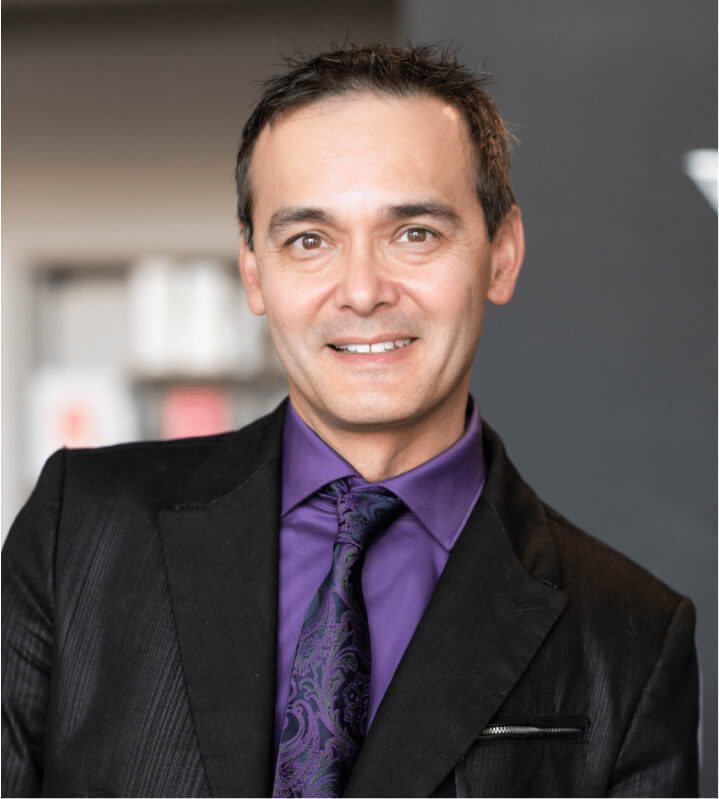
Dr. David L. Pinsinski is the esteemed founder of Artemis Vein & Aesthetic Center, an expert in the field of vein care, and a distinguished board-certified physician in Internal Medicine. With a dedicated career focused on promoting health and well-being, Dr. Pinsinski has become a trusted name in the vein care community serving Superior, Co area. His commitment to excellence and compassionate patient care is at the core of his practice. Dr. Pinsinski’s work at Artemis Vein & Aesthetic Center is a testament to his unwavering dedication to providing the highest standard of vein care, making positive impact on patients’ lives so that they can enjoy Colorado’s beautiful nature and outdoor lifestyle.

