


If the words “tiny needles on my face” make you want to close this tab immediately, stay with us for just a moment. Microneedling has one of the most dramatic-sounding names in aesthetics, and one of the most surprisingly comfortable and effective reputations once people actually try it. At Artemis Vein & Aesthetic Center in Superior, microneedling is one of the most requested treatments because the results are real, the process is more manageable than patients expect, and the science behind it is genuinely fascinating. Schedule a free skin consultation and find out whether microneedling belongs in your routine.
Here is the thing about microneedling: the reason it works is also the reason people hesitate about it. Those tiny needles are not the treatment. They are the trigger.
Microneedling is formally known as collagen induction therapy, which is a much more accurate description of what it does. A device fitted with fine, sterile needles creates hundreds of tiny, controlled channels in the skin during each session. These microchannels are small enough that they do not cause real damage, but significant enough that the body registers them as injuries that need to be repaired.
That repair response is the entire point. When the body detects injury, it immediately sends platelets and growth factors to the site, which then signal fibroblast cells to begin producing new collagen and elastin. These are the structural proteins that give skin its firmness, elasticity, and overall quality. Collagen production naturally slows with age, which is one of the primary reasons skin develops fine lines, loses its bounce, and takes on a duller appearance over time. Microneedling essentially sends the body a request to resume that production process in a targeted, controlled way.
The healing response unfolds across three phases. In the first few days, inflammation is present as the body directs resources to the treated area. This is what accounts for the redness that follows a session, and it is a sign the process is working. Over the next several weeks, the proliferative phase begins, during which new collagen fibers are actively being laid down. Finally, a remodeling phase continues for months afterward, during which those new fibers mature and the skin progressively improves in structure and appearance. Clinical studies have documented collagen increases of up to 400 percent after a series of sessions. That number sounds impressive because it is.
One of the most appealing things about microneedling is how many different skin concerns it can address in a single treatment approach. Because it works at the level of the skin’s structural foundation rather than just the surface, it improves the overall quality of the skin rather than targeting one isolated issue.
Patients come to Artemis Vein & Aesthetic Center seeking microneedling for:
The reason microneedling helps with such a varied list of concerns is that all of them share a common root: a deficit in healthy collagen and elastin. By addressing that foundation directly, the treatment creates improvements across multiple concerns simultaneously rather than targeting just one.
This is where the conversation usually gets interesting, because most people expect microneedling to be significantly more uncomfortable than it actually is. Before the treatment begins, a topical numbing cream is applied and given time to take effect. By the time the device is in use, the sensation most patients describe is mild pressure or a light warmth moving across the skin, not the sharp discomfort the concept suggests.
Each session typically takes between 30 and 60 minutes depending on the treatment area. Immediately afterward, the skin looks pink and feels warm, similar to a moderate sunburn. This is completely expected and resolves within 24 to 48 hours for most patients. There is no significant downtime. Most people return to their normal routine the following day, though makeup should be avoided for a short period while the microchannels close.
Results from microneedling do not appear overnight, which is actually a sign of how it works. Because the improvement comes from genuine structural changes in the skin rather than surface-level effects, it develops gradually and continues building for months after the final session in a series. Patients who start a series in late summer often notice their best results in November and December as the collagen remodeling phase reaches its peak.
Microneedling works progressively, which means each session builds on the results of the previous one. For most concerns, a series of three to six sessions spaced four to six weeks apart delivers the most meaningful transformation. More significant scarring or deeper texture issues generally benefit from the higher end of that range.
After completing a series, many patients maintain their results with one or two sessions per year. Because the skin’s collagen production naturally continues to decline with age, periodic treatments help sustain the improvements rather than starting from scratch each time.
At Artemis Vein & Aesthetic Center, the treatment plan is always customized based on the patient’s specific skin condition, goals, and timeline. Our estheticians evaluate each patient’s skin before making a recommendation, ensuring the approach fits both what the skin needs and what works realistically in a person’s schedule.
Microneedling works because it asks your skin to do something it already knows how to do, just with a little more intention and a lot more collagen. Whether you are addressing years of sun damage, acne scars that have lingered longer than they should have, or simply the general texture shift that comes with time, microneedling offers a treatment approach grounded in real biology and genuinely visible results. Schedule a free skin consultation at Artemis Vein & Aesthetic Center in Superior today and find out what those tiny needles can do for you.
Does microneedling hurt?
A topical numbing cream is applied before treatment, which significantly reduces discomfort, and most patients describe the sensation during the procedure as mild pressure or warmth rather than pain. The experience is generally much more manageable than patients expect before their first session.
How many microneedling sessions will I need?
Most patients see meaningful results from a series of three to six sessions spaced four to six weeks apart, with the number depending on the specific concerns being addressed and how the skin responds over time. After completing a series, annual maintenance sessions help sustain and build on the results.
Can microneedling help with acne scars?
Yes, microneedling is one of the more effective treatments available for acne scarring because it addresses the structural disruption in the skin that causes pitting and textural irregularity, rather than simply affecting the surface. Results develop progressively over the series and continue improving for months after the final session.
How long does it take to see results from microneedling?
Initial improvements in skin texture and radiance often become noticeable within a few weeks of starting a series, with more significant changes in firmness, tone, and scarring becoming visible over the following two to three months. Collagen remodeling continues for up to a year after completing a series, meaning results keep developing well after the last appointment.
Is microneedling safe for all skin types?
Yes, microneedling is considered safe across all skin tones and types because it does not use heat or target pigment, which makes it a more inclusive option than certain laser treatments that carry higher risks for patients with deeper complexions. A consultation at Artemis Vein & Aesthetic Center ensures the treatment approach is appropriate for your specific skin and concerns.
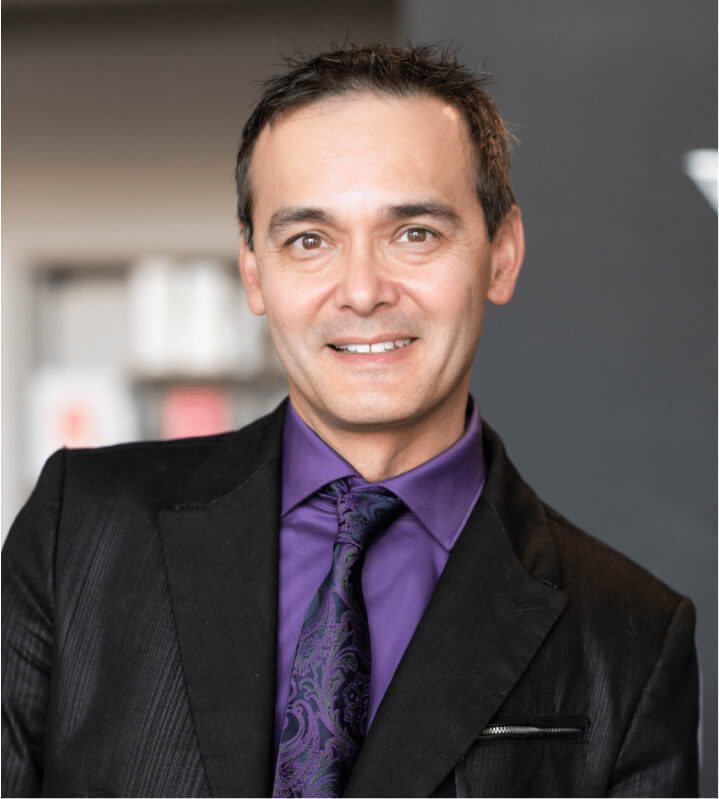
Dr. David L. Pinsinski is the esteemed founder of Artemis Vein & Aesthetic Center, an expert in the field of vein care, and a distinguished board-certified physician in Internal Medicine. With a dedicated career focused on promoting health and well-being, Dr. Pinsinski has become a trusted name in the vein care community serving Superior, Co area. His commitment to excellence and compassionate patient care is at the core of his practice. Dr. Pinsinski’s work at Artemis Vein & Aesthetic Center is a testament to his unwavering dedication to providing the highest standard of vein care, making positive impact on patients’ lives so that they can enjoy Colorado’s beautiful nature and outdoor lifestyle.

