


| Venous disease treatments deliver excellent relief, but because the condition is naturally progressive, recurrence can happen over time due to genetics, aging, and lifestyle factors. This isn’t a sign of treatment failure—and it’s never the patient’s fault—but rather a normal part of long-term vein health. By making supportive lifestyle choices, staying active, and keeping up with routine monitoring, patients can minimize risk and continue enjoying lasting comfort. At Artemis, we’re here to guide you through every step—from treatment to ongoing care—so you can move forward with confidence. If you’re noticing new symptoms or changes after treatment, call us or reach out online to schedule a consultation. |
At Artemis, we pride ourselves on delivering excellent results for our venous disease patients. Shortly after their procedure, almost all patients experience relief from the pain, swelling, heaviness and discomfort caused by their condition. However, we want patients to understand the complete picture of long-term vein health and to have realistic expectations around the potential recurrence of venous disease.
The immediate effectiveness of vein treatments is remarkable. Whether a patient has had treatment with laser ablation, sclerotherapy, or another method, their symptoms typically resolve within weeks after we address the problematic veins causing discomfort.
However, venous disease is not limited to single veins and has a natural tendency to progress over time. As months and years pass after treatment, there’s an increasing chance that some degree of venous issues can redevelop. This happens because the underlying factors contributing to venous disease—genetics, aging, and lifestyle—continue to influence the circulatory system.
It’s crucial to understand the difference between natural disease progression and treatment failure. While the completed vein treatment typically remains successful, venous disease can still develop in other areas that weren’t originally a problem.
Experiencing the return of symptoms after treatment is completely normal and not the patient’s fault. Venous disease recurrence happens for unavoidable reasons: genetic predisposition remains unchanged, venous disease is inherently progressive, and aging naturally affects circulation.
The experience of recurrence varies greatly between patients. Some patients notice only minimal changes years later—perhaps occasional mild aching or barely visible spider veins. Others develop symptoms that are noticeable but tolerable. In rare cases, symptoms may return to pre-treatment levels, but this doesn’t mean the treatment failed. It’s just a sign that other factors—many outside of a patient’s control—are at play.
Several factors can affect recurrence risk. While there are some factors that patients have no control over, patients can influence other factors like weight management, activity level, occupational habits, and lifestyle choices.
While we can’t prevent recurrence entirely, it’s possible to take proactive steps to minimize risk:
Lifestyle modifications can make a big difference. Regular exercise improves circulation and strengthens muscles that assist blood flow—even more gentle activities like walking, swimming, or cycling can help. Prioritizing nutritious food and maintaining a healthy weight reduces pressure on leg veins, and staying hydrated supports good circulation.
Daily habits also matter. Wear compression stockings if recommended, regularly elevate your legs, and take breaks from prolonged sitting or standing. If your work requires you to sit for long periods, incorporate simple leg exercises to help support blood flow.
Long-term monitoring through regular check-ups enables early detection of developing issues. If you experience warning signs like leg heaviness, mild swelling, restlessness, or new spider or varicose veins, call to discuss them with us.
Fortunately, there are options if symptoms do return. Mild recurrence can often be managed with compression therapy or lifestyle modifications. For more significant recurrence, repeating treatment can help.
Treatment success isn’t measured only by permanent symptom elimination. The relief gained after treatment, the improved daily comfort, and the ability to be more active all represent meaningful, lasting benefits.
Understanding recurrence enables patients to have realistic expectations while taking proactive steps to support vein health. Recurrence is a natural part of the disease process, not a treatment failure or personal fault.
Please know that the Artemis team is here for you, even after your initial treatment. We can help with routine monitoring, lifestyle guidance, and answering questions. Venous disease may be a lifelong consideration, but with proper understanding and proactive care, you can continue enjoying active, comfortable living while effectively managing your vein health.
If you’ve completed treatment for venous disease but are concerned that your symptoms may be returning, don’t hesitate to give us a call at 303-955-8413 or send a message about what you’re experiencing.
1. Does recurrence mean my vein treatment didn’t work?
No. Recurrence is not a sign of treatment failure. Your treated veins typically remain closed and resolved, but venous disease can develop in other areas over time.
2. How common is venous disease recurrence?
Because venous disease is progressive, some degree of recurrence is fairly common in the years following treatment. For many patients, changes are mild and manageable.
3. Can I prevent vein problems from coming back?
While you can’t prevent recurrence entirely, healthy habits like regular exercise, weight management, staying hydrated, and wearing compression stockings (if recommended) can help reduce risk.
4. How will I know if my venous disease is recurring?
Watch for early signs like leg heaviness, swelling, aching, new visible veins, or restless legs. If you notice these, it’s a good idea to schedule a check-up.
5. What are my options if my symptoms return?
Mild recurrence can often be managed with lifestyle changes or compression therapy. If symptoms are more significant, additional treatments are available and can be very effective.
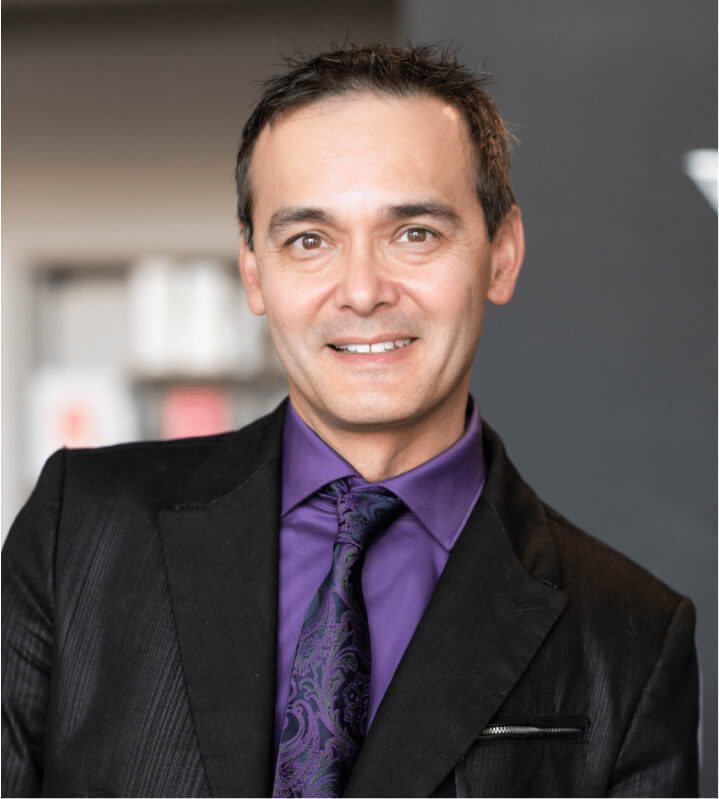
Dr. David L. Pinsinski is the esteemed founder of Artemis Vein & Aesthetic Center, an expert in the field of vein care, and a distinguished board-certified physician in Internal Medicine. With a dedicated career focused on promoting health and well-being, Dr. Pinsinski has become a trusted name in the vein care community serving Superior, Co area. His commitment to excellence and compassionate patient care is at the core of his practice. Dr. Pinsinski’s work at Artemis Vein & Aesthetic Center is a testament to his unwavering dedication to providing the highest standard of vein care, making positive impact on patients’ lives so that they can enjoy Colorado’s beautiful nature and outdoor lifestyle.

