


Aging brings many changes to our bodies—including how our veins function. While varicose veins can’t always be prevented, taking proactive steps like exercising regularly, eating a vein-friendly diet, staying hydrated, and using compression stockings can significantly reduce your risk. If you’re already seeing signs like swelling or aching legs, don’t ignore them—early intervention is key. At Artemis Vein Center in Westminster, CO, Dr. Pinsinski and his expert team are here to help you understand your vein health and explore your best treatment options. Take control of your vein health today—schedule your consultation with Artemis!
Wrinkles, loose skin and reduced muscle mass are common physical changes associated with aging. Many adults also experience a decline in vein function that can lead to varicose veins. Varicose veins result from excess blood buildup in the veins of the legs. This condition is known as venous insufficiency or venous disease. While completely preventing venous disease may not be possible due to factors like genetics, we can take steps to reduce our chances of developing it.
Varicose veins form when the valves in your legs malfunction due to weakness or damage. This malfunction results in blood pooling within your veins. The first noticeable symptoms of varicosities are typically blue or purple skin discoloration and “bulging” veins. These enlarged, twisted veins are an aesthetic concern for many.
Though varicose veins themselves do not typically pose medical risks, moderate, severe and worsening cases of the condition may result in painful symptoms. For instance, varicose veins can cause itching, burning, throbbing, muscle cramps, swelling and a heavy feeling in your legs. You may also experience worsening pain when standing after extended periods of sitting.
Factors that increase the risks of developing varicose veins include older age, pregnancy, obesity, genetics and jobs involving lengthy periods of standing or sitting. Fortunately, there are some steps you can take to reduce the impact of these factors and help prevent varicose veins from forming.
Stay Active with Low-Impact Exercise
The best way to reduce the likelihood of developing varicose veins is by stimulating blood flow throughout your entire body, especially in your legs. Regular walking is an ideal exercise for vein health. Aim for 30 minutes of walking 4-5 days per week. If you’re just starting, begin with shorter walks and gradually increase your distance. Exercising your leg muscles in this way helps pump blood back to your heart, preventing it from pooling in the veins.
You can also support vein health while sitting down! For instructions on a simple, highly effective exercise, check out our blog post on the soleus muscle.
Nourish Your Veins with a Healthy Diet
The food we eat plays a vital role in maintaining vein health. One important nutrient that you may not have heard of is rutin, a natural compound found in many fruits and vegetables. Rutin belongs to a family of plant pigments called bioflavonoids, which are known for their powerful vascular protective properties. This nutrient helps strengthen blood vessel walls and improves circulation, which means it can help prevent varicose veins.
When planning your meals, aim to include:
Rutin-rich foods (asparagus, buckwheat, citrus fruits, apples, cherries, green and black tea)
A variety of colorful vegetables that provide additional vascular-supporting nutrients
Lean proteins that help maintain tissue health
Whole grains that provide sustained energy and support overall circulation
Foods rich in vitamin C (like citrus fruits, bell peppers, strawberries and tomatoes), which works with rutin to support vein health
Limit your intake of:
High-sodium processed foods, which can increase fluid retention and strain your veins
Fried foods that can contribute to inflammation
Foods high in refined sugar, which can impact vascular health
Stay Hydrated
Proper hydration helps maintain blood flow through your veins. Most adults need 4-6 cups of water daily, though individual needs vary based on activity level and other factors. Consult your physician for personalized hydration recommendations.
Monitor Your Vein Health
It’s important to look out for symptoms that can accompany varicose veins and that may indicate the presence of venous disease:
If you notice any of these symptoms, don’t wait to seek evaluation. Early intervention often leads to better outcomes.
Compression: Your Ongoing Ally
Compression stockings are a simple, inexpensive and effective way to support veins when they need it the most:
Want more tips? Learn about 5 habits you should break to help reduce the risk of developing varicose veins.
Varicose veins are a common problem among adults. Some of the causes, like genetics or injury, are outside of our control, but we can also take steps to reduce our chances of developing venous disease.
Remember, though, that varicose veins are not always preventable. In these cases, the best thing you can do is seek treatment at a trusted vein clinic. For those in the Westminster, CO area, Dr. Pinsinski and our team at Artemis Vein Center can evaluate your varicose veins and discuss all of your treatment options.
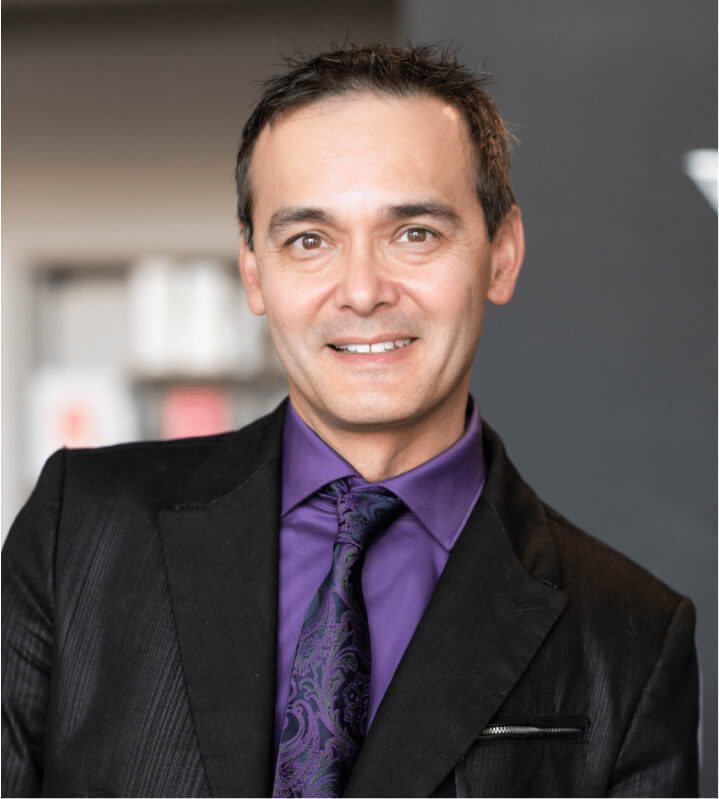
Dr. David L. Pinsinski is the esteemed founder of Artemis Vein & Aesthetic Center, an expert in the field of vein care, and a distinguished board-certified physician in Internal Medicine. With a dedicated career focused on promoting health and well-being, Dr. Pinsinski has become a trusted name in the vein care community serving Superior, Co area. His commitment to excellence and compassionate patient care is at the core of his practice. Dr. Pinsinski’s work at Artemis Vein & Aesthetic Center is a testament to his unwavering dedication to providing the highest standard of vein care, making positive impact on patients’ lives so that they can enjoy Colorado’s beautiful nature and outdoor lifestyle.

